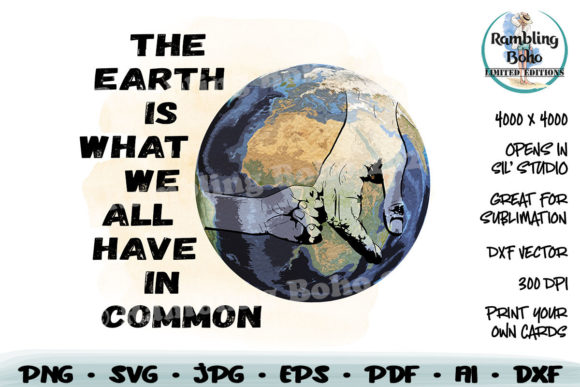
What We All Have in Common and the Earth: Unifying Themes in Modern Digital Design
In an era defined by rapid technological advancement and fragmented digital experiences, there is a profound shift occurring in how creators, entrepreneurs, and marketers approach visual storytelling. At the heart of this movement lies a simple yet powerful concept: What We All Have in Common. When paired with the universal symbol of the earth, this theme transcends cultural boundaries, offering a cohesive narrative that resonates across diverse audiences. For professionals in the design industry, understanding this intersection is not merely an artistic choice but a strategic imperative that aligns with broader consumer trends and evolving market expectations.
Defining the Core Concept: Unity Through Design
To understand the impact of this design philosophy, one must first define what What We All Have in Common represents in a creative context. It is more than a phrase; it is a visual language that emphasizes shared human experiences, collective responsibility, and our intrinsic connection to the planet. In the realm of digital assets, this concept manifests through imagery that bridges gaps—whether between different cultures, industries, or individual lifestyles. The inclusion of the earth serves as the ultimate anchor, reminding viewers that despite our differences, we inhabit the same space and face similar challenges and opportunities.
This approach fits seamlessly into current industry trends where authenticity and inclusivity are paramount. Consumers today are increasingly drawn to brands and products that reflect a sense of global citizenship. They seek designs that do not alienate but rather invite participation. By leveraging high-quality digital designs that incorporate these themes, creators can tap into a growing demand for content that feels both personal and universal. This is particularly relevant for those working in sublimation, print-on-demand, and custom merchandise, where the emotional resonance of a design often dictates its commercial success.
The Strategic Value of Versatile Digital Assets
The modern workflow for designers and entrepreneurs requires flexibility. A single design element must be adaptable across various mediums without losing its integrity. This is where the technical specifications of a design file become as crucial as the artistic vision. Consider a high-quality digital design featuring the theme of What We All Have in Common alongside the earth. Such an asset is not just an image; it is a multifaceted tool ready for deployment across the web, print, and physical products like cards, mugs, towels, tumblers, and t-shirts.
The versatility of these assets is supported by a comprehensive range of file formats, each serving a specific purpose in the production pipeline:
- PNG Format: Offering transparent backgrounds, this format is essential for web use and overlaying designs on colored surfaces without unsightly white boxes. Receiving two files—one with and one without a background—provides immediate flexibility for different project needs.
- JPG Format: High-quality JPGs ensure compatibility with standard printing processes and social media platforms where file size and universal support are key.
- SVG Format: Perhaps the most critical for modern crafters, SVG files open directly in software like Silhouette Studio. This allows for precise scaling and editing, making it perfect for iron-ons, stickers, and waterslides where clean lines are non-negotiable.
- DXF Format: As a non-color vector path, the DXF file is engineered for cutting machines, laser cutters, and CAD applications. It ensures that the design can be altered in size while maintaining perfect geometric accuracy.
- EPS and AI Formats: These flattened yet editable vector formats preserve the integrity of design elements, allowing professional graphic designers to integrate the artwork into larger compositions within Adobe Illustrator or similar tools.
- PDF Format: Ideal for direct printing, ensuring that the layout remains consistent regardless of the printer used.
This diversity in file types addresses the changing needs of the market. Freelancers and small business owners no longer have the luxury of time to convert files or recreate vectors from scratch. They require immediate, production-ready assets that can move from download to distribution in minutes. A design package that includes all these formats eliminates bottlenecks in the workflow, empowering creators to focus on marketing and customer engagement rather than technical troubleshooting.
Why This Theme Resonates Now
The attention surrounding themes like What We All Have in Common and the earth is not accidental. It reflects a deeper societal shift towards sustainability, community, and mindfulness. In the lifestyle and consumer sectors, there is a noticeable pivot away from hyper-individualism toward collective well-being. People are paying attention to designs that evoke a sense of belonging and shared purpose. This is evident in the rise of eco-conscious products, community-driven initiatives, and branding that highlights global connectivity.
For marketers and entrepreneurs, ignoring this trend means missing a significant opportunity to connect with their audience on an emotional level. When a t-shirt or a mug features a design that speaks to our shared humanity and our common home, it becomes more than merchandise; it becomes a statement. It signals that the wearer or user aligns with values of unity and environmental stewardship. This alignment drives loyalty and fosters a deeper relationship between the brand and the consumer.
Practical Applications and Observations
Let us consider practical examples of how these designs are being utilized in the real world. A local entrepreneur launching a line of eco-friendly tumblers might choose a design featuring rich colors and simple lines depicting the earth surrounded by diverse hands or symbols of unity. The SVG file allows them to cut vinyl decals with precision, while the PNG ensures the design looks crisp on product mockups for their online store. The high resolution of 4000px x 4000px at 300dpi guarantees that even when printed on large formats like towels or posters, the image remains sharp and detailed, approximating a substantial 13″ x 13″ size.
Furthermore, the ability to alter the size of the design opened in various programs means that the same asset can be used for a small sticker on a laptop or a large banner for a community event. This scalability is vital for businesses looking to maximize their return on investment for design assets. Instead of purchasing multiple versions of a graphic for different uses, a single comprehensive download covers all bases.
It is also important to note the aesthetic qualities that make these designs effective. The use of rich colors captures attention in a crowded marketplace, while simple lines ensure clarity and readability across different materials. Whether the design is being sublimated onto fabric or laser-cut into wood, the simplicity of the line work ensures that the message remains clear. Complex details often get lost in translation across different mediums, but a well-crafted vector path maintains its essence whether it is inches or feet in scale.
Adapting to Evolving Workflows and Expectations
The expectations of today's digital consumers and creators have evolved. There is a demand for instant access and high fidelity. The traditional model of waiting for physical proofs or dealing with low-resolution web images is obsolete. Professionals expect downloads that are ready to go, with clear documentation on what is included. Knowing that "no physical products will be sent" and that the delivery is purely digital streamlines the transaction, reducing shipping costs and environmental impact—a detail that aligns perfectly with the earth-centric theme of the design itself.
Moreover, the acknowledgment that "colors may vary slightly due to screen settings [and] printing method" demonstrates a level of transparency and professionalism that builds trust. It prepares the user for the realities of physical production, managing expectations upfront. This honesty is a hallmark of successful digital products in a competitive marketplace.
Connecting to Larger Developments
Beyond the immediate application of selling mugs or t-shirts, this trend connects to larger developments in the global economy and culture. We are seeing a convergence of technology and humanity where digital tools are used to reinforce human connections. The availability of sophisticated design tools like Silhouette Studio and laser cutters in home studios democratizes manufacturing, allowing individuals to produce goods that carry meaningful messages. When these individuals choose designs that highlight What We All Have in Common, they contribute to a broader cultural narrative of unity.
In the context of business and technology, this represents a shift towards value-driven commerce. Companies are no longer judged solely on the quality of their products but on the values they embody. A design portfolio that includes themes of global unity and environmental care positions a brand as forward-thinking and socially responsible. This is particularly appealing to younger demographics who prioritize ethical consumption.
Conclusion: The Power of Shared Visual Language
In conclusion, the integration of What We All Have in Common and the earth into digital design is a testament to the power of shared visual language. It offers a solution that is both aesthetically pleasing and deeply meaningful. For professionals, creators, and entrepreneurs, leveraging these themes provides a competitive edge in a market that values authenticity and connection. The technical robustness of modern digital assets—spanning SVG, DXF, PNG, and more—ensures that these messages can be delivered effectively across any medium.
As we move forward, the relevance of such designs will only grow. They meet the changing preferences of consumers who seek products that reflect their values and the evolving workflows of creators who need efficiency and flexibility. By embracing these themes and utilizing the full spectrum of available digital formats, businesses can create impactful experiences that resonate on a global scale. Ultimately, whether on a card, a towel, or a digital screen, these designs remind us of our shared journey on this planet, fostering a sense of community that is essential in our interconnected world.
The future of design lies in its ability to unite. By choosing assets that celebrate our commonalities and our home, we participate in a larger movement towards a more inclusive and sustainable future. This is not just about selling a product; it is about spreading a message that matters, one pixel and one print at a time.