Elevating Event Design with High-Resolution Floral Invitation Card Templates
The landscape of event planning and graphic design has shifted dramatically in the digital age, moving away from rigid, pre-printed stock towards customizable, high-quality digital assets. At the heart of this transformation is the Floral Invitation Card, a versatile design element that bridges the gap between professional aesthetics and personal creativity. Whether you are a seasoned graphic designer, a small business owner launching a new product line, or a hobbyist crafting handmade invitations for a family gathering, the availability of editable Photoshop templates has democratized access to premium design. These resources allow creators to manipulate every aspect of the visual experience, ensuring that the final output resonates perfectly with the intended audience.
The Technical Foundation: Resolution and Color Accuracy
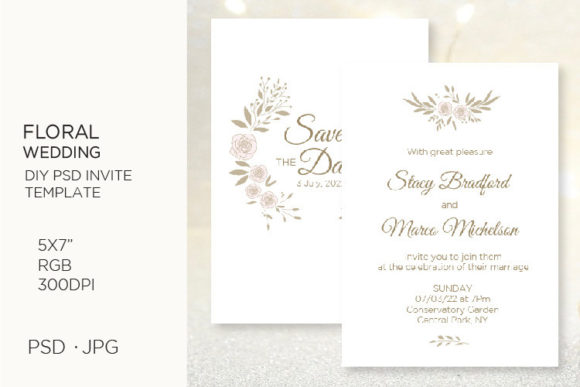
When selecting digital assets for print or high-definition display, technical specifications are paramount. A common pitfall for amateur designers is utilizing low-resolution images that appear crisp on a screen but pixelate when printed. The ideal Floral invitation card template addresses this by providing files at 300 DPI (dots per inch). This resolution is the industry standard for professional printing, ensuring that the delicate details of floral petals, leaf veins, and typography remain sharp and distinct on physical paper.
Furthermore, the color palette plays a crucial role in the emotional impact of the design. Templates utilizing an RGB color palette are optimized for digital viewing, making them perfect for email invitations, social media announcements, and web design projects. However, when transitioning these designs to print, understanding color conversion is essential. High-quality templates often come with both RGB and CMYK considerations in mind, or provide backgrounds that translate well across color spaces. The inclusion of a JPG background without text allows designers to layer their own typography while maintaining the integrity of the original artwork's color grading.
Artboard Dimensions and Scalability
Standardization in design saves time and reduces waste. The typical artboard size for these templates is 5x7 inches, a classic dimension for wedding invitations, party announcements, and greeting cards. This size fits perfectly into standard envelopes and framing options, making it a practical choice for both mass production and handmade crafts. Because the source files are often vector-based or high-resolution raster images within Photoshop, scaling the design up or down for different applications—such as creating a matching wall art piece or a smaller thank-you note—is seamless without losing quality.
Unlocking Creativity with Editable Photoshop Templates
The true power of a Photoshop template lies in its editability. Unlike static image files, a PSD (Photoshop Document) file retains layers, allowing users to isolate specific elements of the design. In the context of a Floral Invitation Card, this means the floral borders, background textures, and text fields exist on separate layers. This structure empowers users to:
- Customize Typography: Replace placeholder text with event details using fonts that match the theme. The included fonts are often free for use, removing licensing barriers for commercial projects.
- Adjust Composition: Move floral elements to accommodate longer text or to create a more balanced visual hierarchy.
- Modify Colors: Shift the hue of the flowers or background to align with specific brand colors or wedding themes.
For professionals, this flexibility means delivering unique results to clients without starting from scratch. For educators and researchers, these templates serve as excellent teaching tools for demonstrating layer management, masking, and typographic principles in digital design courses.
The Value of Included Assets
A comprehensive digital package typically includes a Zip file containing multiple formats to suit various workflows. A standard distribution might include:
- 2 PSD Files: Fully layered documents with editable text fields, ready for deep customization in Adobe Photoshop.
- 2 JPG Files: High-resolution flattened images. One usually features the full design with sample text, serving as a preview or a quick-use option. The other is a background without text, ideal for overlaying custom graphics or using in software that does not support PSD files.
This variety ensures that whether a user has access to advanced design software or relies on simpler image editors, they can still leverage the artistic value of the floral elements.
Diverse Applications Across Industries
The utility of a Floral Invitation Card extends far beyond the realm of wedding stationery. The organic nature of floral imagery makes it adaptable to a wide array of industries and creative projects. Understanding these diverse use cases helps creators maximize the return on their digital asset investments.
Stationery and Handmade Crafts
For the booming market of handmade goods, these templates are invaluable. Artisans can print the JPG background on high-quality cardstock and add hand-lettered details, creating a hybrid of digital precision and human touch. This approach is popular for:
- Greeting Cards: Birthday, anniversary, and holiday cards featuring seasonal blooms.
- Thank You Notes: Small batch runs for boutique businesses to include with customer orders.
- Scrapbooking: Using floral elements as decorative frames for photographs and memorabilia.
Branding and Corporate Identity
Business owners, particularly in the beauty, wellness, and lifestyle sectors, often seek branding that conveys elegance and natural beauty. A Floral invitation card design can be repurposed to create a cohesive logo design or brand identity suite. By isolating specific floral clusters from the PSD file, a company can develop a unique icon that appears on packaging, websites, and business cards. The soft, inviting aesthetic of florals helps build an emotional connection with consumers, suggesting care, growth, and freshness.
Web and Graphic Design
In the digital sphere, these assets enhance graphic and web design projects. The high-resolution backgrounds can be used as hero images for websites, banners for social media campaigns, or headers for email newsletters. Because the files are provided in RGB, the colors remain vibrant on screens. Web designers can slice the floral elements to create repeating patterns or border accents that frame content without overwhelming the user interface.
Event Decor and Announcements
Beyond the invitation itself, the design language established by the card can be extended to the entire event ecosystem. Party decor such as menu cards, place settings, program brochures, and signage can all utilize the same floral motifs found in the original template. This consistency creates a polished, professional atmosphere. Additionally, large-scale prints of the background without text can serve as stunning wall art for photo booths or backdrop installations at weddings and corporate galas.
Considerations for Effective Implementation
While the accessibility of these templates is a significant advantage, successful implementation requires attention to detail. Users must consider the end medium early in the design process. If the goal is physical printing, verifying that the printer accepts 300 DPI RGB files or knowing how to convert them to CMYK is critical to avoid color shifts. Dark greens and vibrant reds, common in floral palettes, can sometimes appear muted in print if not managed correctly.
Typography selection is another area where expertise matters. Even with editable text fields, choosing a font that complements the intricacy of the floral illustrations is vital. A busy floral border pairs best with clean, legible serif or sans-serif fonts, whereas a minimalist floral accent might support more ornate script typefaces. The included fonts free for use are selected to harmonize with the design, but designers should feel empowered to swap them if the project demands a different tone.
Licensing and Ethical Use
Most premium templates come with clear licensing terms regarding personal and commercial use. It is essential for business owners and freelancers to review these terms to ensure compliance. Generally, purchasing a template grants the right to use the design for unlimited projects, but reselling the template file itself as a standalone product is usually prohibited. Respecting these boundaries supports the ecosystem of digital creators who produce these high-quality resources.
The Future of Digital Floral Design
As technology evolves, so too does the application of digital floral assets. We are seeing a trend towards hyper-realistic textures and 3D-rendered floral elements that offer even greater depth than traditional photography. However, the classic painted or illustrated look provided by many Photoshop templates remains timeless. These styles evoke a sense of nostalgia and warmth that resonates across generations.
For researchers studying design trends, the prevalence of floral motifs in invitation culture offers insight into societal preferences for nature-inspired aesthetics during times of celebration. For educators, these files represent a bridge between traditional botanical illustration and modern digital composition. The ability to deconstruct a Floral Invitation Card into its component layers provides a hands-on lesson in design theory, color theory, and spatial arrangement.
Ultimately, the value of these digital graphics elements lies in their adaptability. They are not merely pictures; they are foundational building blocks for creativity. Whether used to announce a birth, launch a brand, decorate a home, or teach a class, the Floral Invitation Card template stands as a testament to the power of accessible, high-quality design tools. By leveraging the 5x7 inch format, 300 DPI resolution, and editable layers, creators of all skill levels can produce work that looks professionally curated, ensuring their message is delivered with beauty and impact.