Integrating Colorful Geometric Background Design into Professional Creative Workflows
In the fast-paced environment of modern digital and print production, the foundation of a successful visual project often lies in its underlying structure. A Colorful Geometric Background Design is far more than a decorative afterthought; it is a strategic asset that dictates the tone, readability, and overall impact of a communication piece. For professionals ranging from marketing directors to freelance graphic designers, understanding how to effectively source, edit, and implement these assets is crucial for maintaining efficiency without sacrificing quality. This guide explores the practical integration of geometric backgrounds into your existing workflows, ensuring you maximize the utility of high-quality resources like Adobe Illustrator CC EPS files.
The Strategic Role of Geometry in Visual Communication
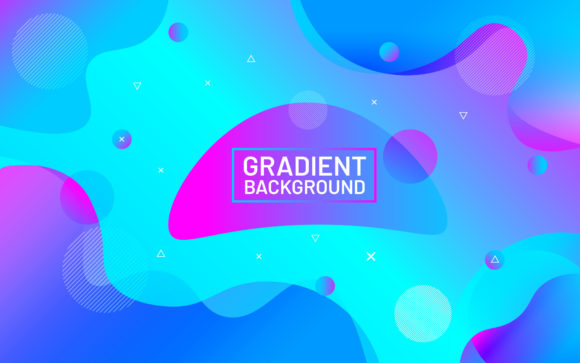
Geometric patterns have endured as a design staple because they offer a unique balance between order and creativity. Unlike organic or photographic backgrounds, which can sometimes clutter a layout or distract from the primary message, geometric designs provide a structured canvas. When you introduce a colorful background design based on shapes, lines, and angles, you are essentially creating a visual hierarchy before you even place your first text element.
These designs fit into the broader creative process at the conceptualization stage. Before a single word of copy is written or a product photo is selected, the background sets the psychological context. Sharp triangles and vibrant contrasts might suggest innovation and energy, suitable for a tech startup landing page. Softer circles and pastel gradients could imply approachability and community, ideal for an educational blog or a wellness brand. By selecting the right geometric motif early, you streamline subsequent decisions regarding typography, color palettes, and imagery, ensuring a cohesive final product.
Optimizing File Formats for Maximum Flexibility
The true value of a premium background asset lies in its editability. While raster images (like JPEGs or PNGs) have their place, they often limit a designer's ability to adapt to changing client needs or platform requirements. This is where the Adobe Illustrator CC EPS file becomes indispensable. Vector-based formats allow for infinite scalability, meaning your background will look crisp on a business card or a massive billboard without any loss of resolution.
When you acquire a resource that offers fully editable elements, you gain control over every aspect of the design. You are not stuck with the default color scheme provided in the preview. Instead, you can isolate specific shapes, adjust opacity levels, or completely swap out the color palette to match your brand guidelines. This level of customization is vital for maintaining brand consistency across different media. Furthermore, a file that utilizes free fonts removes a significant barrier to entry. You do not need to purchase expensive licenses or worry about font compatibility issues when sharing files with collaborators or sending them to print vendors.
The Importance of Layer Organization
Efficiency in design is often determined by how well a file is organized. A professional-grade geometric background should come with fully layer organized structures. This means that background elements, foreground accents, and texture overlays are separated into logical groups. In a real-world workflow, this organization saves hours of tedious work. Imagine needing to darken a specific section of the background to improve text legibility; with proper layering, this is a two-click operation. Without it, you might find yourself recreating the entire graphic from scratch.
For teams collaborating on a project, clear layer naming and grouping facilitate smoother handoffs. A web developer can easily identify which elements are static and which might need to be animated for a dynamic website header. Similarly, a print operator can quickly locate bleed areas or cut lines. The usability of a design asset is directly proportional to its internal organization, making this a critical factor when selecting resources for long-term use.
Implementation Across Digital and Print Mediums
The versatility of a well-constructed geometric background allows it to serve multiple functions throughout a project's lifecycle. Here is how these assets interact with various platforms and mediums:
- Web Elements and UI Design: In web development, lightweight vector backgrounds can be exported as SVGs to ensure fast loading times while retaining sharpness on high-DPI screens. They serve as excellent containers for hero sections, call-to-action buttons, or testimonial blocks. The geometric nature of the design helps guide the user's eye toward key interactive elements.
- Social Media Marketing: Content creators often need to produce high volumes of visuals quickly. A customizable geometric template allows for rapid iteration. You can keep the structural integrity of the background while swapping colors and text for daily posts, stories, or ad campaigns, ensuring a recognizable brand aesthetic without repetitive manual labor.
- Print Collateral: For brochures, flyers, and packaging, the CMYK compatibility of Illustrator files is essential. A colorful geometric design can add depth and texture to physical items that flat colors cannot achieve. Because the file is vector-based, there is no risk of pixelation during the printing process, regardless of the scale.
- Presentation Decks: Entrepreneurs and educators frequently rely on slide decks to convey information. Using a consistent geometric theme across all slides creates a professional narrative flow. It prevents the "clip-art" look and elevates the perceived value of the content being presented.
Workflow Integration: From Preparation to Execution
Integrating a new design asset into your routine requires a methodical approach. The process begins with preparation. Before opening your design software, define the objective of the project. Are you aiming for high contrast? Do you need a subtle texture that recedes into the background? Having a clear goal helps you select the appropriate variation of the geometric design.
Once the file is acquired, the execution phase involves technical setup. Open the EPS file in Adobe Illustrator and immediately review the layer panel. Familiarize yourself with the grouping logic. If the design uses specific blending modes or effects, note how they interact. This is the time to apply your brand colors. Use the "Recolor Artwork" feature in Illustrator to map the existing vibrant hues to your specific brand palette instantly. This ensures that the colorful background design aligns perfectly with your corporate identity.
During the production phase, focus on compatibility. If you are working with a team, ensure that everyone has access to the free fonts used in the design. If you are exporting for web use, optimize the file size by removing unnecessary hidden layers or simplifying complex paths that do not contribute to the visual outcome. Quality control is the final step; always preview your design in the actual context where it will be viewed. Check text readability against the busiest parts of the geometric pattern and adjust opacity or add overlays if necessary.
Long-Term Value and Scalability
Investing in high-quality, editable resources pays dividends over time. A single Colorful Geometric Background Design package can serve as the foundation for dozens of future projects. As your business grows or your personal brand evolves, the ability to tweak rather than replace your visual assets saves both money and time. The modular nature of geometric designs means they rarely go out of style; they can be refreshed simply by updating the color scheme or rotating the orientation of the shapes.
Moreover, using standardized, well-organized files reduces the cognitive load on your creative team. When the technical aspects of file management are handled efficiently, more mental energy can be devoted to strategy, storytelling, and innovation. This shift from troubleshooting file errors to focusing on creative output is the hallmark of a mature, efficient workflow.
Conclusion
The decision to utilize a professional Colorful Geometric Background Design is a commitment to quality and efficiency. By choosing assets that offer full editability, organized layers, and cross-platform compatibility, you empower yourself to execute projects with greater speed and precision. Whether you are designing a website, launching a marketing campaign, or preparing print materials, these versatile tools provide the structural support needed to make your content shine. Embrace the flexibility of vector graphics and the clarity of geometric forms to elevate your visual communications and streamline your creative processes.